
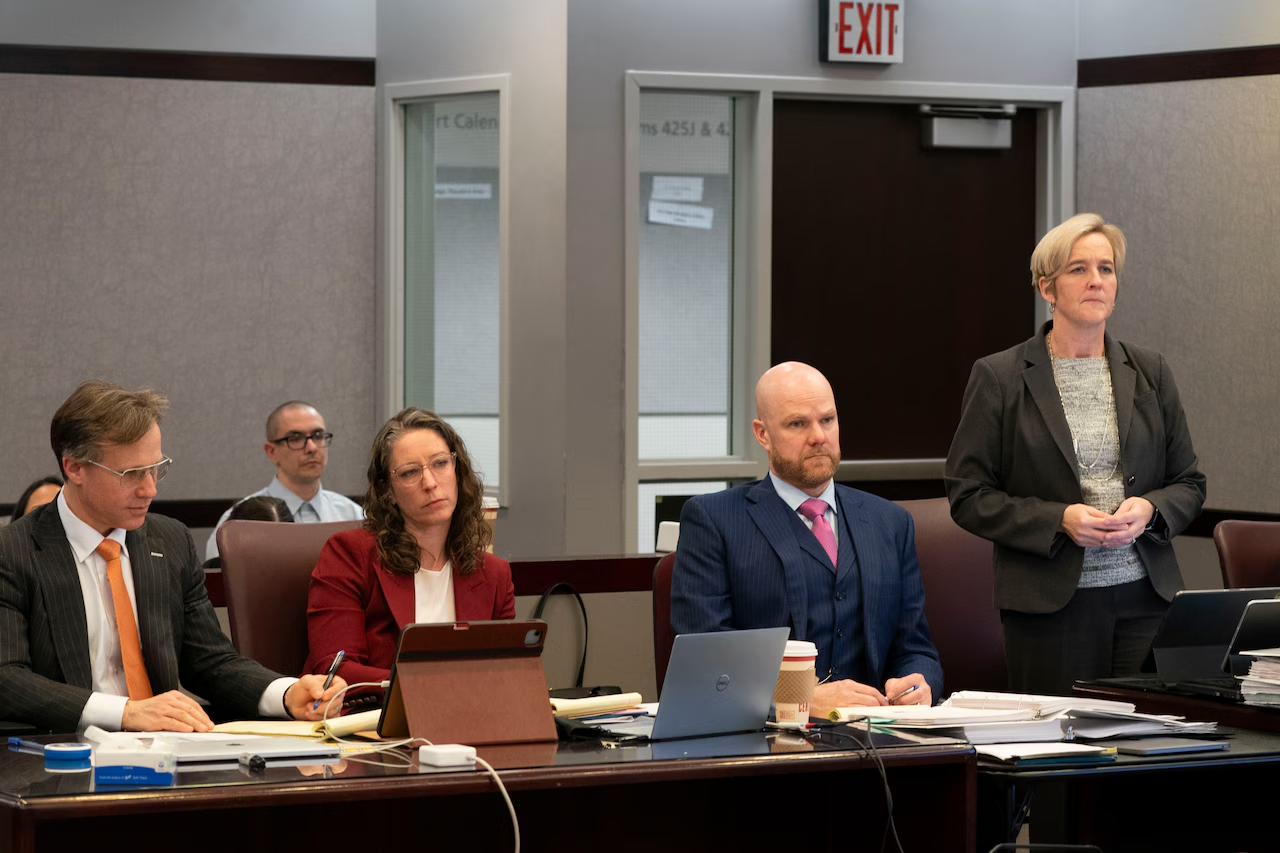
Jury Awards $800,000 to Public Defenders in Discrimination Case
-
Workplace discrimination claims can succeed even against government entities.
- Documented patterns of unequal treatment and lack of corrective action are powerful at trial.
-
Public employers are not immune from liability under anti-discrimination laws when disparities are substantiated.
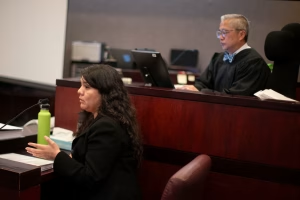
Attorney Alyne Sanchez in trial
The plaintiffs, with more than a decade of combined experience, brought the lawsuit alleging that they faced unequal treatment in the public defender’s office. According to testimony introduced at trial, the defenders were passed over for promotions, given disproportionate caseloads, and excluded from key decisions regarding their work—while similarly situated colleagues did not face the same obstacles. Internal communications and personnel records presented during the trial indicated that supervisors were aware of these disparities but failed to take corrective action.
Washington County’s defense argued that personnel decisions were driven by budgetary and operational needs rather than discriminatory motives. County attorneys maintained that the public defender’s office operates under extreme pressure and that management decisions, though imperfect, were lawful and not discriminatory. They also contended that the plaintiffs did not suffer lasting harm
– Alyne Sanchez
The verdict is significant because it confirms that public employees, including public defenders, have the same legal protections against discrimination as workers in the private sector. It shows that juries are willing to hold government employers accountable when evidence demonstrates unequal treatment, retaliation, or systemic bias. For public defenders in particular, the case highlights how excessive workloads, denied opportunities, and exclusion from decision-making can rise to the level of unlawful discrimination when they are not applied equally. The outcome sends a clear message that fairness and accountability apply even within institutions charged with upholding justice.
.